Construction loans in Utah: how financing a custom home works
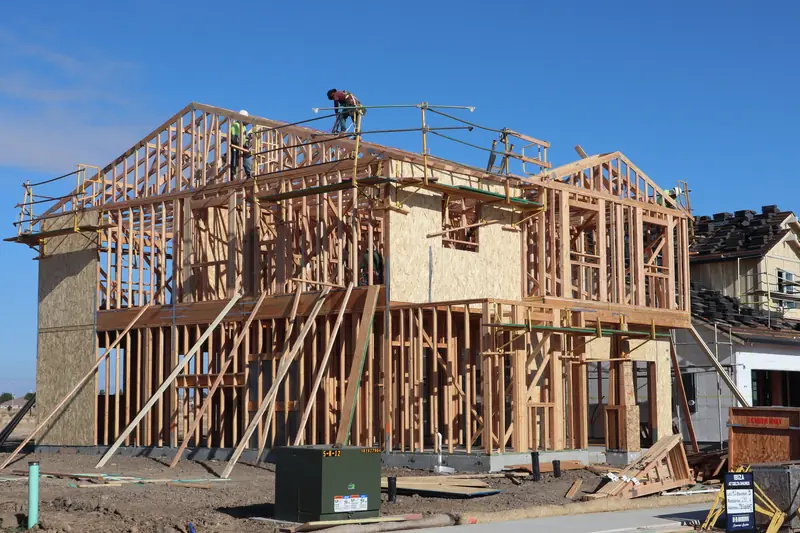
A construction loan pays your builder in draws as stages are finished and inspected, and you usually pay interest only on what has been drawn during the build. A single-close (construction-to-permanent) loan converts to a regular mortgage when the home is done; a two-time close uses a separate mortgage to pay off the construction loan. If you already own the lot, ask how the lender counts it.
- Lenders usually want approved plans, a signed builder contract and budget, and an appraisal of the finished home before they lend.
- Draw inspections protect you too: money is released only for work that is done.
- Ask builders which lenders they work with; one Heber City builder posts that construction is paid in five scheduled draws of 20% each.
How draws work
Instead of one payment, the lender releases money in stages (foundation, framing, rough-ins, drywall, finish). Before each draw, an inspector confirms the work is done. Under Fannie Mae's single-closing process, for example, funds are released through approved draws and the borrower pays interest only on the amount drawn so far.
Common loan types
| Type | How it works | Good for |
|---|---|---|
| Single-close (construction-to-permanent) | One application and closing; converts to a permanent mortgage when the home is complete | Locking in long-term financing up front |
| Two-time close | A construction loan, then a separate mortgage at completion | Flexibility to shop the final mortgage |
| Lot (land) loan | Finances the land before you build | Buying a lot now and building later |
| Builder-arranged financing | Some production builders offer incentives through affiliated lenders | Production and community homes |
Questions to ask a lender
- Do you do single-close, two-time close, or both?
- How much down, and does land I own count toward it?
- How many draws, who inspects, and how fast are draws paid?
- What is the interest rate during construction, and can I lock the permanent rate?
- What happens if the build runs long or over budget?
- Do you need a contingency in the budget?
- Which local builders have you worked with?
Ask the builders you're considering which lenders they work with. Browse custom builders.
Questions people ask
How does a construction loan work?
The lender pays the builder in draws as stages are completed and inspected, and you usually pay interest only on the amount drawn during construction. At the end it converts to, or is paid off by, a regular mortgage.
What is a one-time close construction loan?
A single-close or construction-to-permanent loan: one application and closing, and the construction loan converts to the permanent mortgage when the home is finished.
Can I use my lot as a down payment?
Many lenders count equity in land you own toward the down payment. Ask your lender how they value it.
Do I pay a mortgage while my house is being built?
Usually you pay interest only on the money drawn so far, so payments start small and grow as the build progresses.
Sources
- Fannie Mae: Single-closing construction-to-permanent transaction process (PDF)
- Fannie Mae Selling Guide B5-3.1-02: conversion of construction-to-permanent financing
- Timberidge Custom Homes website (draw schedule example)
General information, not legal, engineering or financial advice. Codes, fees and city rules change; confirm with your city or county building department and the official sources above before you sign or build. Company prices and timelines are what each company posted on its own website when we checked (Nov 23, 2026); they are not quotes.